Worcester’s infrastructure improvements to enable more cycling

Bike Worcester was (probably) conceived in a pub somewhere in the city back in 2018. Legend has it pacts were made with handshakes and chain lube. Early meetings were attended by representatives from Sustrans and Cycling UK, councillors representing Conservative, Labour and Green parties, members of St John's Cycling Club, and anyone else we had managed to reach out to, with a common interest of using a bike as mode of transport.
In the subsequent years that have followed we have grown our membership, and now boast a healthy gang of active volunteers, a wider group of supporters, in addition to an external network with other advocacy groups around the UK, and the world.
While there are many methods by which you can encourage, persuade, cajole and nudge people to achieve modal shift from cars to bikes, with varying degrees of success, it is essential that this effort is undertaken in parallel with improvements to the public realm to enable people to make the shift. Change to urban environment is essential. There is a pressing requirement for a network of routes designed specifically for cycling in the city, if we are serious about achieving modal shift. The ideal route would be direct, intuitive, continuous, comfortable, and segregated (from motor vehicles and pedestrians alike); if anyone is in any doubt as to what this looks like, a field trip to the Netherlands is probably your best bet. To achieve this in Worcester requires a complete re-think of transport in the city; where people live and what are their regular destinations, and what needs to change to enable those journeys to be made by bike. Some improvements will need substantial planning and funding, others are minor cost but have notable impact, others require changes to legal documents, others are essential free.
In the years since its conception Bike Worcester have kept a close eye on where improvements have been made in the city to enable cycling, notably in the city centre (certainly within the city boundary); click on the map below. Unfortunately it's an embarrassingly short list, and the most useful have been the removal of a gate, and the opening of a locked gate; this does show however how easy and cheaply some improvements are that have a genuine impact on enabling more cycling. There’s a separate map here showing all of Worcester’s cycleway barriers, and which ones have been removed.
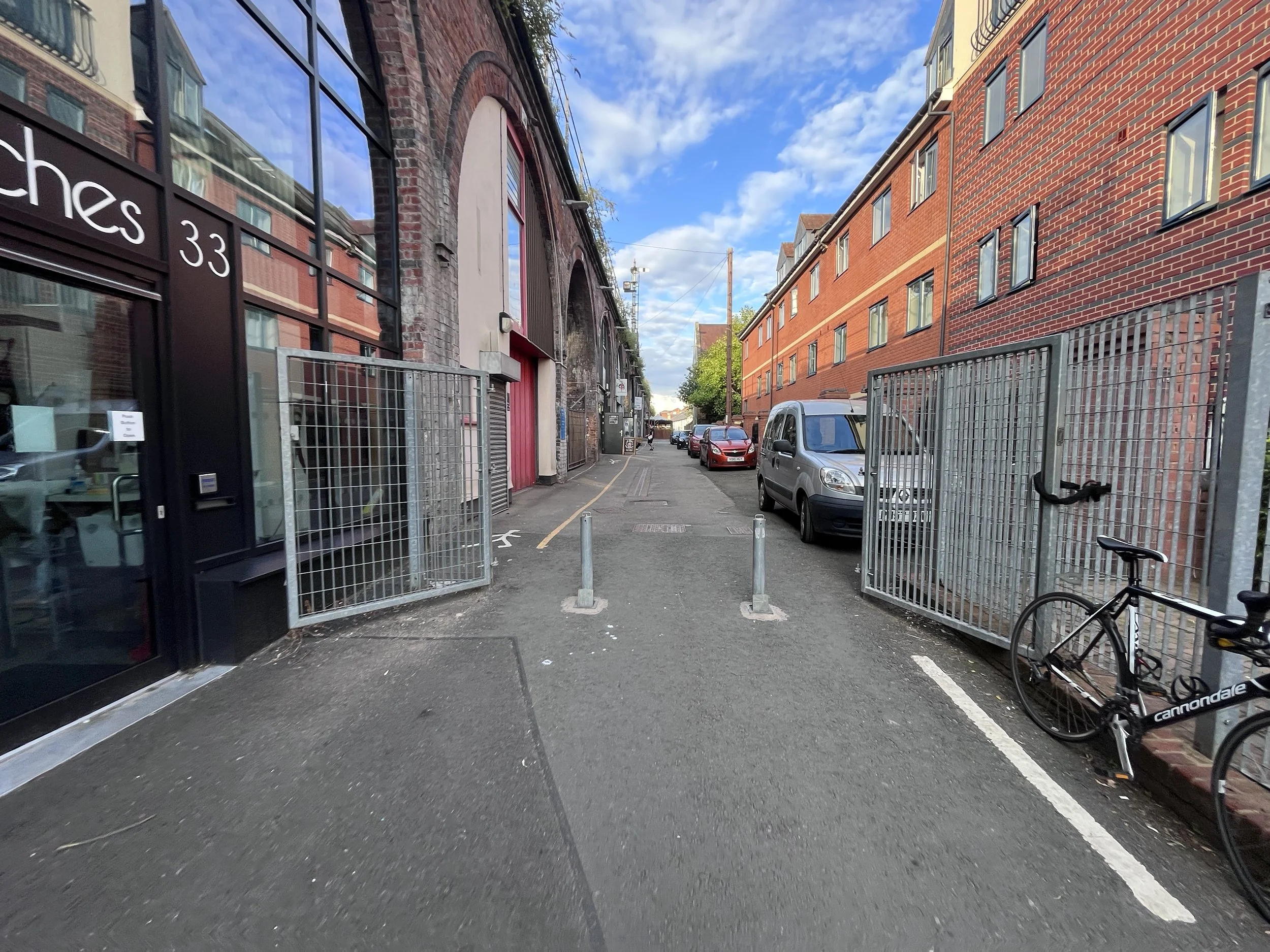
Opening this gate to enable people to walk and cycle along the route following the viaduct was so obvious and such low hanging fruit, but took years to happen
The map also identifies where substantial work has been undertaken on Worcester's roads where there was no consideration given to improve cycling infrastructure; undoubtedly a missed opportunity. It also identifies where money has been spent on ‘active travel improvements’ or measures to improve road safety which we consider to a poor investment.
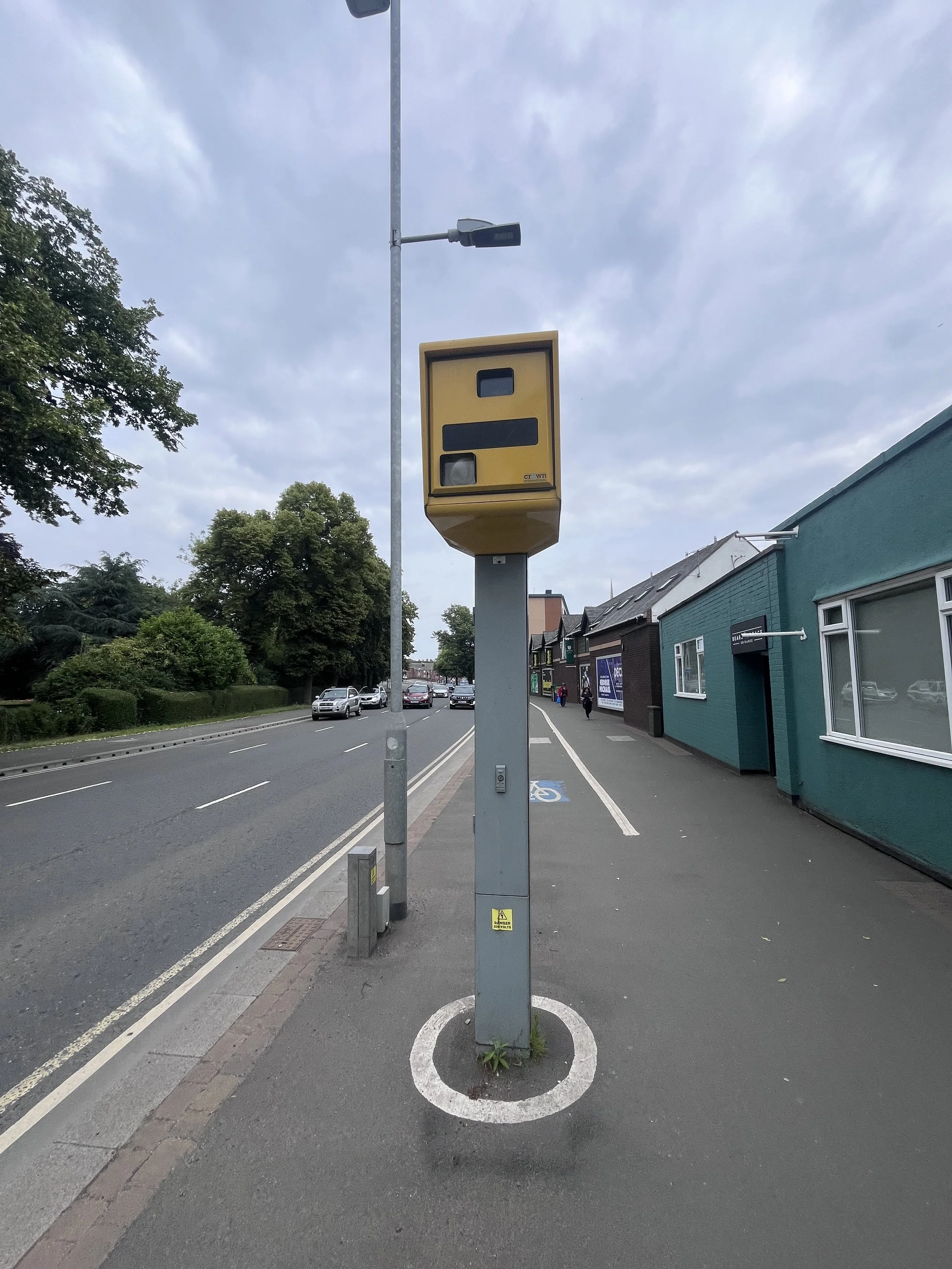
The joke (?) obstacle ridden segregated bike on New Road next to Worcestershire County Cricket Club. The paint and installation cost the best part of £10,000; we particularly like the detail around the speed camera, without which people riding bikes would crash into the speed camera.
If we've missed any, please drop a comment below. Fingers crossed we see many more improvements over the coming years.
Updated 21st December 2025: dropped kerbs at Gregory’s Bank and Tolladine Road